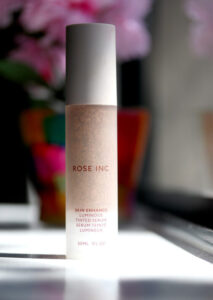
What is the strobing technique in makeup, and why should you use it?
Strobing is a professional highlighting technique used to create a radiant, youthful-looking face by emphasizing the high points where light would naturally hit. Unlike heavy contouring, strobing techniques make your skin look fresh, vibrant, and naturally luminous without weighing it down.
- TL;DR:
- Strobing techniques use strategic highlighter placement on specific facial areas for a natural glow.
- This highlighting approach emphasizes natural features instead of sculpting with shadows.
- Perfect for beginners and those who want a simple radiant look.
- Achieve a fresh glow in under 5 minutes with the right highlighting products.
- This complete makeup tutorial includes the best products, personalized skin-type tips, and professional techniques.
1. Introduction to Strobing Techniques
1.1 What is Strobing?

Ever wondered how some people achieve that coveted natural glow that seems to radiate from within? That’s the magic of strobing techniques. Instead of reshaping your face with contour lines, strobing focuses on enhancing your natural features by adding luminous highlights to the high points of your face: cheekbones, brow bones, nose bridge, and cupid’s bow.
Think of strobing as professional photography lighting for your face. It reflects just enough light in precisely the right areas to make you look awake, youthful, and naturally radiant. The best part? These strobing techniques are surprisingly easy to master, and you don’t need professional makeup skills to achieve stunning results.
2. Choosing the Right Highlighting Products
2.1 Best Highlighting Products for Beginners
Selecting the right highlighting products can make the difference between achieving a natural glow and an overpowering shimmer. If you’re new to strobing techniques, we recommend starting with cream or liquid highlighters instead of powder formulas—they’re more forgiving and easier to blend seamlessly.
- Cream highlighters: Ideal for dry or normal skin, they melt into the skin and offer a subtle, natural glow.
- Liquid highlighters: Best for ultimate control in your makeup tutorial—you can mix them with moisturizer or foundation for an all-over luminous effect.
- Stick highlighters: Convenient for on-the-go touch-ups and perfect for beginners who want precision in their strobing techniques.
Look for pearlescent, champagne, or peachy tones for a natural finish that complements your skin tone. Avoid anything too glittery—you want a sophisticated glow, not obvious sparkle.
3. Step-by-Step Strobing Tutorial
3.1 Easy Strobing Techniques for a Natural Glow
Let’s break down the essential strobing techniques. Here’s how you can integrate professional highlighting methods seamlessly into your daily beauty routine.
- Prep your skin: Hydration is essential for strobing techniques. Begin with a moisturized face or use a dewy primer for the perfect base.
- Apply your base: Use a lightweight BB cream or tinted moisturizer. Avoid matte finishes when using strobing techniques.
- Master the highlighting placement: Using your fingertip or a beauty sponge, tap your highlighting products onto the:
- Top of cheekbones
- Brow bones (just under the eyebrows)
- Bridge of the nose
- Cupid’s bow
- Center of the forehead (optional)
- Blend for natural glow: Gently blend using small dabbing motions. The goal is that coveted “lit-from-within” natural glow, not visible stripes of highlighter.
- Set strategically: Use a setting spray or a light dusting of translucent powder just on areas prone to excess shine, like your T-zone.
Remember, with strobing techniques, less is truly more. Your final makeup tutorial results should mimic healthy, hydrated skin at its absolute best.
4. Personalized Tips for Different Skin Types
4.1 Strobing Tips for Oily Skin
If you have oily skin, you might worry about looking greasy when using strobing techniques. Here’s how to achieve that natural glow without unwanted shine:
- Start with a matte or satin-finish base and strategically apply powder highlighting products only on the high points—not all over your face.
- Choose highlighting products without large shimmer particles. You want strobing techniques that offer sheen, not sparkle.
- Set your T-zone with translucent powder to prevent excess shine where it’s not part of your intended natural glow.
4.2 Strobing Tips for Dry Skin

Dry skin benefits tremendously from cream or liquid highlighting products. Here’s your personalized makeup tutorial approach:
- Use a hydrating moisturizer or facial oil underneath your highlighting products for optimal strobing techniques.
- Avoid powder highlighters—they can emphasize flakiness and settle into fine lines, disrupting your natural glow.
- Tap, don’t rub, your highlighting products onto the skin to prevent disturbing your base makeup.
5. Quick Strobing Tips for Busy Mornings
5.1 Strobing Tips for a Fresh and Radiant Look
Rushed mornings? Here’s how to master strobing techniques in 3 minutes flat with these time-saving makeup tutorial steps:
- Mix a drop of liquid highlighting products with your daily moisturizer for instant natural glow all over.
- Dot cream highlighter on cheekbones and blend with fingers—two simple strobing techniques and you’re done.
- Skip eye shadow and just highlight beneath the brow bone and inner corners for an instantly awake look using minimal highlighting products.
Cost Guide: What Should You Spend on Highlighting Products?
| Price Range | Expected Product Type | Best For |
|---|---|---|
| Under $10 | Basic cream or stick highlighters | Beginners testing the waters |
| $10 – $25 | Mid-range liquid/cream products | Everyday wear with better texture |
| $25+ | High-performance or multitasking products | Makeup enthusiasts or advanced users |
Final Thoughts
Mastering strobing techniques isn’t about perfection or complexity—it’s about celebrating your natural features with a hint of radiant elegance. Whether you’re just starting your makeup tutorial journey or looking to simplify your morning routine, these strobing techniques deliver that coveted natural glow without all the fuss. Choose your highlighting products wisely, tailor your approach to your specific skin type, and most importantly, have fun experimenting with different techniques. That radiant, natural glow isn’t reserved for red carpets—you can own it every single day.
Frequently Asked Questions
What is the strobing technique?
Strobing techniques focus on enhancing natural light-catching facial areas like cheekbones, brow bones, and noses using highlighting products for a luminous, natural glow.
Is strobing better than contouring?
It depends on your goals. Strobing techniques give a dewy, natural glow and require fewer highlighting products, while contouring sculpts the face with shadows. Many prefer strobing for everyday makeup tutorial routines.
Can I strobe if I have oily skin?
Absolutely! Use powder highlighting products and avoid applying strobing techniques on areas where oil tends to build, like the T-zone, for the best natural glow results.
Do I use highlighter before or after foundation?
Liquid and cream highlighting products can be used under or over a dewy foundation in your makeup tutorial. If using powder highlighters, apply them after your foundation has been set.
How much highlighter should I use?
When mastering strobing techniques, remember that a little goes a long way. Focus highlighting products on key facial points and blend well for a subtle, natural glow finish.
How long does it take to do strobing?
Done correctly, strobing techniques can take under 5 minutes—perfect for busy mornings or low-maintenance makeup tutorial routines.
What’s the best highlighter for mature skin?
Cream-based highlighting products are generally best for mature skin because they don’t settle into fine lines and give a more hydrating, youthful natural glow when using proper strobing techniques.