What’s the best way to apply makeup for over 50?
The best approach to makeup for over 50 focuses on hydration-first skincare, lightweight illuminating products, and gentle techniques that enhance your natural beauty. Understanding how mature skin behaves allows you to adjust your routine for optimal results.
- Refresh your skincare first: Well-hydrated skin creates the perfect canvas for radiant makeup application.
- Choose lightweight, glow-enhancing textures: Cream-based products blend seamlessly without settling into fine lines.
- Focus on lift and brightness: Strategic placement opens the eyes and lifts facial features naturally.
TL;DR
- Mature skin thrives with gentle, skincare-friendly formulas that hydrate and illuminate rather than cake and settle.
- Proper skin preparation is essential—your skincare routine forms the foundation for flawless makeup application.
- Less is more effective: Streamlined application techniques avoid emphasizing fine lines while enhancing your best features.
- Cream blushes, light-reflective concealers, and satin-finish foundations work best with mature skin’s changing textures.
- This comprehensive guide covers everything—from selecting the right products to creating daily makeup routines for aging skin.
Understanding Mature Skin and Makeup
The Impact of Aging on Skin

Ever noticed your favorite foundation suddenly looks different on your skin? That’s mature skin presenting new opportunities and challenges. As we age, collagen production decreases, elasticity diminishes, and natural hydration slows. The result is skin that becomes drier, thinner, and more prone to fine lines.
Here’s the exciting part: your skin tells a powerful story of experience and wisdom. Every expression line and contour reflects a life fully lived. Modern anti-aging makeup enhances these beautiful details rather than hiding them.
Choosing the Right Makeup Products for Over 50
When selecting makeup for mature skin, ingredients matter as much as shades and finishes. You want skincare-friendly makeup products that provide moisture, glide smoothly, and contain nourishing components.
- Hydrating foundations with hyaluronic acid or peptides to plump and moisturize
- Lightweight primers that smooth texture without suffocating pores
- Illuminating concealers with light-reflecting particles to brighten without caking
- Cream blushes and eyeshadows in blendable formulas for seamless, natural wear
Think of it as skincare and makeup combined. That’s the new standard for mature skin makeup tips.
Creating a Flawless Makeup Routine
Skincare Prep for Mature Skin
Here’s a common scenario: you apply foundation, but instead of looking polished, it clings to dry patches or emphasizes lines you barely noticed before. Sound familiar?
Proper skincare preparation is the secret weapon for successful makeup for over 50. Start every routine with:
- Gentle hydrating cleanser that preserves your skin’s natural moisture barrier
- Targeted serums: Hyaluronic acid for deep hydration plus vitamin C for radiance
- Rich yet lightweight moisturizer that absorbs completely without greasiness
- Broad-spectrum SPF for daily protection, even under makeup
- Smoothing primer to blur imperfections without drying effects
Well-prepared skin ensures makeup lasts longer, looks fresher, and feels comfortable throughout your day.
Application Techniques for Aging Skin
Once your skin is properly prepped, application technique becomes crucial for achieving natural-looking makeup for aging skin. Mature skin requires gentler handling and strategic placement.
- Use a damp beauty sponge or soft buffing brush for foundation to achieve that coveted soft-focus finish.
- Apply concealer strategically—focus on inner and outer eye corners only, avoiding the entire under-eye area.
- Master the lifting blush technique: Apply cream blush upward along cheekbones rather than on the apples.
- Set selectively with powder—only where needed, like the T-zone, to maintain natural luminosity.
Remember: you’re enhancing your natural beauty, not covering it. Strategic, gentle application creates the most flattering results.
Top Makeup Recommendations for Over 50
Concealers and Foundations for Mature Skin
Let’s explore the game-changing formulas that work beautifully with mature skin. These anti-aging makeup options provide coverage while nourishing your skin:
| Product Type | Texture | Best For | Application Tip |
|---|---|---|---|
| Hydrating Foundation | Creamy/Satin | Dry, dull mature skin | Pat on with damp sponge for luminous coverage |
| Brightening Concealer | Lightweight fluid | Dark circles, shadowed areas | Apply sparingly in targeted spots and blend gently |
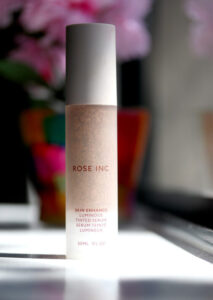
| Tinted Moisturizer | Serum-like | Natural, no-makeup look | Warm between fingers before gentle application |
Skip heavy, full-coverage formulas. Instead, choose products that move naturally with your skin and enhance your radiance.
Blushes and Eyeshadows for a Youthful Glow

The right blush and eyeshadow can instantly energize mature skin, bringing warmth and definition back to softening facial contours.
- Cream blush in warm rose or coral tones creates a natural flush that lifts and brightens
- Neutral matte eyeshadows define eyes without settling into creases
- Soft tightline eyeliner enhances lashes subtly without harsh lines
- Upward color placement: Keep all colors higher and outward to create lifting effects
You don’t need dramatic trends or heavy shimmer. A subtle glow on the lids and warm-toned blush can transform your entire look more effectively than any fleeting trend.
Cost Guide: How Much Does Quality Makeup for Over 50 Cost?
| Product Category | Budget-Friendly | Mid-Range | Luxury |
|---|---|---|---|
| Foundation | $10–$20 | $25–$45 | $50–$90 |
| Concealer | $8–$15 | $20–$35 | $40–$70 |
| Blush | $6–$12 | $18–$30 | $35–$60 |
| Eyeshadow Palette | $10–$18 | $25–$40 | $45–$80 |
Quality skincare-friendly makeup products exist at every price point. Choose what aligns with your budget while prioritizing formulas that work well with mature skin.
Final Thoughts: Beauty Doesn’t Expire
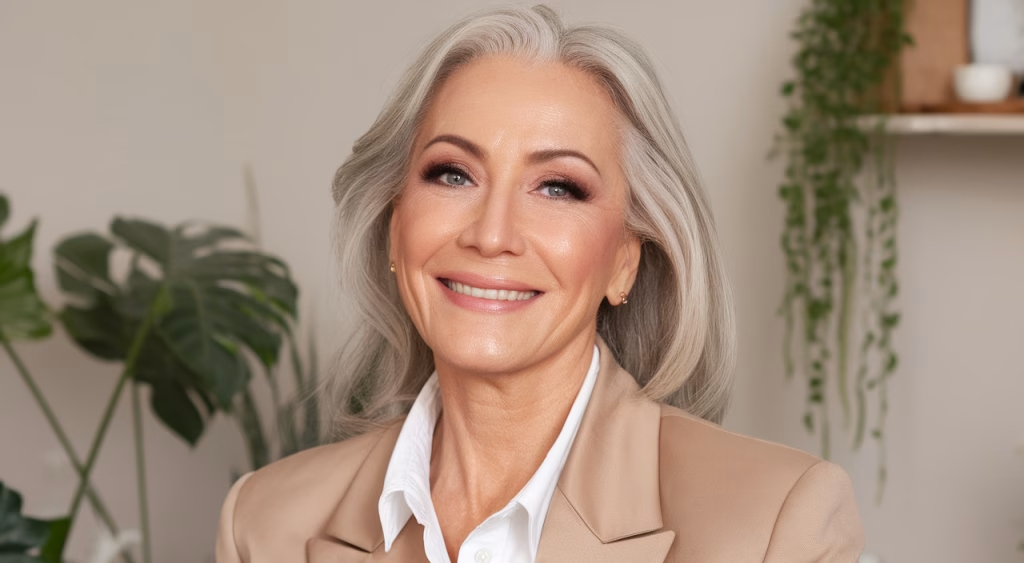
Makeup for over 50 celebrates who you are now with confidence and grace. You’ve earned the wisdom reflected in your eyes and the smile lines that showcase a lifetime of joy and experience.
The secret lies in simplicity: prioritize hydration, choose products that complement your skin rather than fighting it, and let your authentic personality shine through every application.
You’re not trying to recapture youth with makeup. You’re illuminating the confident, experienced woman you’ve become through every stage of life.
Frequently Asked Questions
What is the 3 1 1 rule for makeup?
The 3 1 1 rule refers to carrying 3 liquids, 1 quart-sized bag, and 1 per passenger during travel. It doesn’t apply to makeup specifically but is useful when packing cosmetics for air travel.
How do I stop makeup from settling into wrinkles?
Hydrate the skin thoroughly, use a lightweight primer, and apply minimal product where fine lines form. Blend well and avoid setting powders in crease-prone areas.
What foundation is best for fine lines and wrinkles?
Choose a hydrating, light-to-medium coverage foundation with a satin or radiant finish. Avoid matte or heavy formulas that can emphasize texture and settle into lines.
Should older women wear eyeliner?
Absolutely. Focus on soft, subtle application rather than heavy lines. Use a gentle pencil or eyeshadow to tightline the lash line for elegant definition without harshness.
How often should I update my makeup products?
Replace mascara and liquid eyeliner every 6–12 months for hygiene. Foundation and powders typically last 1–2 years. If any product changes texture, smell, or performance, replace it immediately.
What are the top mistakes older women make with makeup?
Common mistakes include using excessive powder, skipping proper skincare preparation, and ignoring changes in skin undertone or texture. Embrace these natural changes and adapt your tools and formulas accordingly.
How can I make my eyes look more lifted?
Use upward blush placement, tightline your lashes, highlight the brow bone subtly, and apply eyeshadow with upward blending motions to create the visual illusion of lift and openness.