How to Contour for a Natural Look?
Ever wondered how some people achieve that perfectly sculpted yet utterly natural-looking glow? It all comes down to mastering the art of how to contour for a natural look. This guide is designed to empower you with the expertise to enhance your unique face structure with subtle contouring techniques, creating beautiful makeup dimension without appearing overly made up.
TL;DR
- To contour naturally, focus on creating subtle shadows and highlights that mimic natural light and shadow on the face.
- Our comprehensive natural contour makeup tutorial covers everything from product selection to seamless blending for an undetectable finish.
- Learn effective contouring techniques tailored for various face shapes, ensuring a personalized approach to face structure enhancement.
- Discover how to achieve a truly natural-looking contour by choosing the right shades and applying them strategically to create soft makeup dimension.
- This guide offers the best contouring techniques for beginners and seasoned enthusiasts, providing step-by-step instructions and personalized tips for achieving natural dimension with makeup.
Understanding Contouring Basics: Sculpting Your Features with Precision
Contouring isn’t about drastically changing your face; it’s about subtle enhancement. Think of it as painting with light and shadow to create the illusion of depth and lift. When you aim to contour naturally, the goal is for people to notice your beautiful features, not your contour.
Choosing the Right Products for a Natural Finish
The foundation of a beautiful, natural-looking contour begins with your product choice. In practice, you’ll notice that cream or liquid formulas tend to melt into the skin more seamlessly than powders, making them ideal for a subtle finish. Look for shades that are one to two shades darker than your natural skin tone and have a cool, ashy undertone. This mimics natural shadow, avoiding any orange or muddy appearance. For highlighting, opt for a matte or satin finish lighter shade, again, just one or two tones brighter than your skin, to lift and bring forward without excessive shimmer. This approach is key to achieving natural dimension with makeup.
Mapping Out Your Face Structure for Strategic Placement
Every face is unique, and understanding your bone structure is paramount to effective contouring. Here’s what often happens: people apply contour in generic spots without considering their individual features. Instead, take a moment to look in the mirror. Where do natural shadows fall on your face when light hits it from above? Typically, you’ll want to place contour beneath your cheekbones, along your jawline, and perhaps lightly on the temples and sides of your nose. Highlighting goes on the high points: tops of cheekbones, brow bone, bridge of the nose, and cupid’s bow. This personalized mapping is crucial for enhancing face structure with makeup in a way that truly looks natural.
Step-by-Step Contouring Techniques: Achieving Subtle Definition
Now that we’ve chosen our weapons and mapped our battlefield, let’s dive into the actual application. Remember, the goal is subtle contour techniques, so a light hand is your best friend. This is your personal natural contour makeup tutorial, designed to build confidence and skill.

Applying Your Contour: The Art of Subtlety
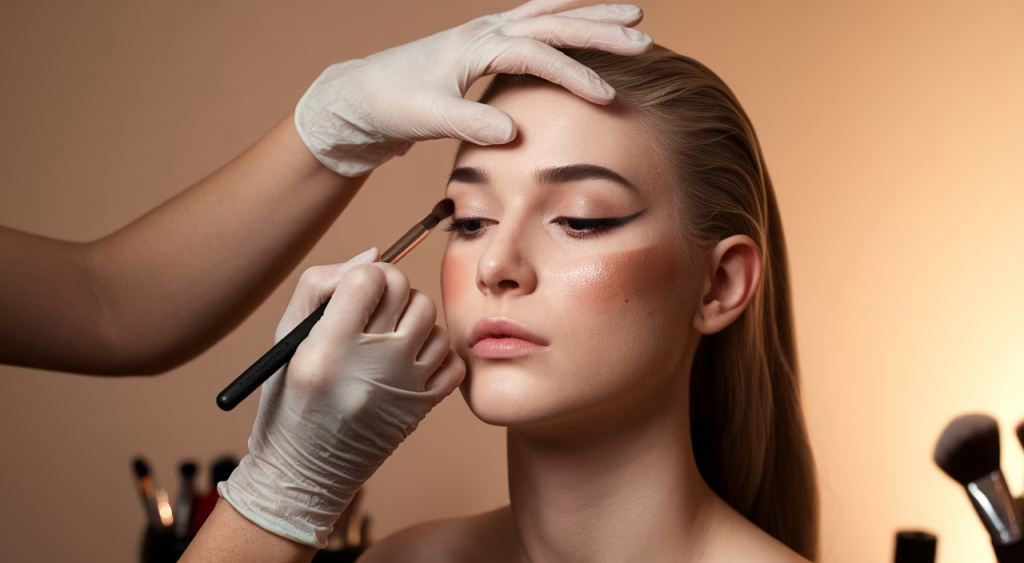
Start with a small amount of product on your brush or sponge. For the cheekbones, find the hollows by sucking in your cheeks slightly. Apply the contour product in a thin line, starting from the top of your ear and moving towards the corner of your mouth, stopping about two fingers’ width from your mouth. For the jawline, apply directly under the bone, from ear to chin, blending downwards onto the neck to avoid a harsh line. If contouring the nose, use a small, dense brush to draw thin lines down each side, blending carefully. The trick here is to build intensity gradually; you can always add more, but it’s much harder to take away.
Highlighting and Shading Tips for Balanced Dimension
Once your contour is in place, it’s time to add light. Apply your lighter, matte highlight product to the highest points of your face. Think: the tops of your cheekbones, extending towards your temples; a dab in the center of your forehead; down the bridge of your nose; and a tiny touch on your cupid’s bow. This contrast between light and shadow is what creates that coveted makeup dimension. Avoid placing shimmer where you want to create depth, as shine brings features forward. The balance between these subtle contour techniques is what makes the difference between a natural-looking contour and a more dramatic one.
Blending for a Seamless Finish: The Key to Undetectable Contour
Perhaps the most critical step in achieving a natural contour is blending. This is where the magic happens, transforming distinct lines into seamless shadows and light. Without proper blending, even the best contouring techniques will look harsh and unnatural.
Techniques for Effortless Blending
After applying your contour and highlight, grab a clean, damp beauty sponge or a soft, fluffy brush. Begin by gently dabbing or swirling the edges of your contour lines, merging them into your base makeup. Work in small sections, always blending upwards and outwards for contour, and dabbing gently for highlight. The key is to diffuse the product so there are no visible lines, only a soft transition of color. In practice, you’ll find that blending takes time, so be patient. It’s not about moving the product around, but about pressing and softening its edges into your skin. This ensures your face structure enhancement looks like your natural bone structure, not applied makeup.
Advanced Tips for Personalized Natural Contouring
Once you’ve mastered the basics, you can begin to personalize your contouring techniques even further. Remember, makeup is an art form, and your face is your canvas. These tips will help you elevate your natural contour to the next level.

Tailoring Your Contour to Different Face Shapes
While the general principles remain, the specific placement of your contour and highlight can be adapted to enhance different face shapes. For example, if you have a rounder face, extending your contour slightly lower on the cheekbones can create more length. For a square face, softening the jawline contour by blending it upwards can create a more oval appearance. Conversely, those with oval faces can often follow the general guidelines most closely, as their natural proportions are already balanced. Understanding how to tailor these subtle contour techniques is essential for achieving the best contouring techniques for beginners looking for truly bespoke results.
Setting Your Natural Contour for Lasting Wear
To ensure your hard work lasts throughout the day, setting your natural contour is vital. After blending, lightly dust a translucent setting powder over your highlighted areas to lock them in place. For your contoured areas, you can use a very sheer, slightly darker setting powder or a matte bronzer (applied very sparingly with a fluffy brush) to further set the cream or liquid product. This helps to prevent creasing, extend wear time, and subtly enhance face structure with makeup without adding heavy layers. What does this mean for you? A natural-looking contour that stays put, keeping your makeup dimension flawless from morning to night.
Final Thoughts
Mastering how to contour for a natural look is a transformative skill that allows you to celebrate and enhance your unique beauty. By focusing on the right products, understanding your face structure, and employing seamless blending techniques, you can achieve subtle, yet impactful, makeup dimension. Remember, practice makes perfect, and the journey to a natural-looking contour is about experimenting and finding what works best for you. Embrace these contouring techniques, and enjoy the confidence that comes with beautifully enhanced features.
FAQs: Common Contouring Mistakes to Avoid
What’s the difference between contouring and bronzing?
Contouring uses cooler, ashier tones to create shadows and define features, mimicking natural shade. Bronzing uses warmer, often shimmery tones to add warmth and a sun-kissed glow to the skin, typically applied where the sun would naturally hit the face.
Can I contour naturally with powder, cream, or liquid products?
Yes, you can! Cream and liquid formulas are often preferred for a natural contour as they blend more seamlessly into the skin. However, powder contours can also achieve a natural look if applied with a light hand and blended meticulously, especially over powder foundations.
How do I choose the right shade for a natural contour?
Select a contour shade that is one to two shades darker than your skin tone and has a cool, greyish or ashy undertone. This mimics natural shadow most effectively. Avoid shades that are too warm or orange, as they can look unnatural and muddy.
What are common contouring mistakes to avoid for a natural look?
Common mistakes include choosing a shade that’s too warm or dark, applying too much product, not blending enough (leaving harsh lines), and placing contour in the wrong areas for your face shape. Always start with less product and blend, blend, blend!
How often should I contour my face?
The frequency is entirely up to you and your personal preference. Many people incorporate natural contouring into their daily makeup routine for subtle face structure enhancement, while others reserve it for special occasions. It’s designed to complement, not overshadow, your natural beauty.
Can contouring help enhance my nose?
Absolutely. For a natural nose contour, apply thin lines of product down the sides of your nose and blend them outwards to create the illusion of a slimmer or more defined bridge. Highlight the very center of your nose with a lighter shade to complete the effect.
Is natural contour suitable for all skin types?
Yes, natural contouring techniques can be adapted for all skin types. For oily skin, powder formulas or setting cream/liquid contours with powder can help with longevity. For dry skin, hydrating cream or liquid formulas are often preferred to prevent clinging to dry patches.