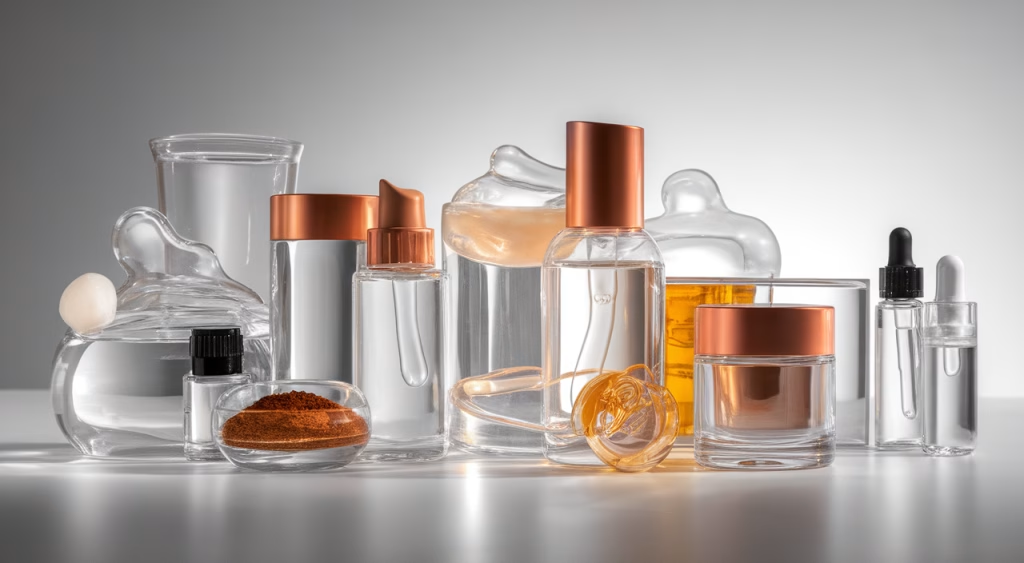
Choosing the Best Anti-Aging Ingredients for Sensitive Skin
As a dermatologist, I understand that finding the right anti-aging ingredients for sensitive skin requires a thoughtful approach. Your skin, being delicate, reacts easily to harsh chemicals or strong concentrations. The key is to seek out formulations that offer efficacy without compromising your skins natural barrier. What this means for you is prioritizing gentle, well-researched ingredients known for their soothing properties and gradual benefits.
When selecting anti-aging skincare for sensitive skin, always look for products that are fragrance-free, hypoallergenic, and non-comedogenic. Ingredients like ceramides, hyaluronic acid, and niacinamide are excellent choices. Ceramides help to repair and strengthen the skin barrier, reducing sensitivity and moisture loss. Hyaluronic acid provides intense hydration, plumping the skin and diminishing the appearance of fine lines without irritation. Niacinamide, a form of vitamin B3, calms inflammation, reduces redness, and improves overall skin tone and texture.
For more potent anti-aging effects, gentle forms of retinoids, such as bakuchiol or encapsulated retinol, can be introduced slowly. Always perform a patch test on a small area of your skin before applying a new product to your entire face. Start with a low concentration and apply it a few times a week, gradually increasing frequency as your skin adapts. This careful introduction minimizes irritation and allows your skin to benefit from these powerful anti-aging ingredients over time, leading to improved skin health without adverse reactions.
The Science Behind Collagen Production and Skin Renewal
To truly understand how anti-aging ingredients work, we must first delve into the fundamental science of our skin, particularly its ability to produce collagen and renew itself. Collagen and elastin are the two vital proteins that form the structural scaffolding of your skin, giving it firmness, elasticity, and a youthful appearance. Imagine your skin as a mattress: collagen provides the springs that give it firmness, and elastin provides the elasticity that allows it to bounce back.
Here is what often happens as we age: naturally, our bodys production of collagen and elastin begins to decline, typically starting in our mid-20s. Environmental factors like sun exposure, pollution, and lifestyle choices such as smoking can accelerate this process, leading to the breakdown of existing collagen. This reduction in structural support is a primary reason for the development of wrinkles, fine lines, and a loss of skins youthful bounce, all clear signs of aging.
Anti-aging ingredients are designed to either stimulate new collagen production, protect existing collagen from degradation, or both. Ingredients like Vitamin C, often called ascorbic acid, are powerful antioxidants that play a crucial role in collagen synthesis. Peptides, which are short chains of amino acids, act as messengers to skin cells, signaling them to produce more collagen and elastin. Growth factors also encourage cell proliferation and regeneration, contributing to overall skin renewal. By supporting these natural processes, we can help to maintain and improve skin health, keeping signs of aging at bay.

Key Skincare Ingredients for Combatting Wrinkles and Signs of Aging
When it comes to visibly reducing wrinkles and addressing other common signs of aging, certain skincare ingredients stand out due to their proven efficacy. These powerhouses work through various mechanisms, from boosting collagen production to enhancing cell turnover, offering comprehensive support for your skin health.
Retinoids: The Gold Standard. Retinoids, a class of vitamin A derivatives, are perhaps the most researched and effective anti-aging ingredients available. They work by accelerating cell turnover, stimulating collagen production, and diminishing the appearance of fine lines, wrinkles, and hyperpigmentation. In practice, you will notice smoother skin texture and more even tone. For beginners or those with sensitive skin, I often recommend starting with a gentle retinol or bakuchiol, a plant-based alternative that offers similar benefits with less irritation. Gradual introduction is key to allow your skin to adapt.
Vitamin C: The Brightening Antioxidant. This essential antioxidant not only helps to synthesize collagen but also protects your skin from free radical damage caused by environmental stressors like UV radiation and pollution. It brightens skin, fades dark spots, and improves overall radiance. Look for L-ascorbic acid, the most potent form, in stable formulations to ensure maximum benefit.
Hyaluronic Acid: The Hydration Hero. While not directly stimulating collagen, hyaluronic acid is a humectant that can hold up to 1,000 times its weight in water, drawing moisture into the skin. This intense hydration plumps up the skin, making fine lines and wrinkles less noticeable and creating a smoother, more supple appearance. It is an excellent ingredient for all skin types, including sensitive skin, due to its gentle nature.
Peptides: The Building Blocks. These small proteins are the building blocks of other proteins, like collagen and elastin. When applied topically, certain peptides can signal your skin to produce more collagen, improve elasticity, and even reduce inflammation. They are a valuable addition to any anti-aging routine, working synergistically with other ingredients.
Alpha Hydroxy Acids (AHAs): The Exfoliators. Glycolic acid and lactic acid are common AHAs that gently exfoliate the skins surface, removing dead skin cells and promoting new cell growth. This process refines skin texture, improves tone, and reduces the appearance of fine lines. They also enhance the penetration of other anti-aging ingredients, making your entire routine more effective. Always use sunscreen diligently when incorporating AHAs into your regimen.
Exploring Natural Anti-Aging Remedies for Fine Lines
While pharmaceutical-grade anti-aging ingredients offer potent benefits, many individuals are also interested in natural anti-aging remedies for fine lines. It is important to remember that while natural options can offer supportive benefits for skin health, they may not always provide the same intensity of results as medically-backed ingredients. However, they can certainly complement your routine and offer additional protection and nourishment.
One of the most talked-about natural alternatives is Bakuchiol. Derived from the babchi plant, bakuchiol has gained popularity as a gentler, plant-based alternative to retinoids. Research suggests it offers similar benefits in terms of reducing fine lines and wrinkles, improving skin elasticity, and stimulating collagen production, often with less irritation, making it suitable for sensitive skin. It is an exciting ingredient that bridges the gap between natural remedies and scientific efficacy.
Green Tea Extract is another potent natural ingredient. Rich in polyphenols, particularly catechins, green tea is a powerful antioxidant that helps protect the skin from environmental damage, including UV radiation and pollution. Its anti-inflammatory properties can also help calm irritated skin, contributing to overall skin health and reducing signs of aging.
Resveratrol, found in grapes, berries, and red wine, is another antioxidant powerhouse. It helps protect cells from oxidative stress and may play a role in supporting cellular longevity, which translates to healthier, more resilient skin over time. Incorporating these natural anti-aging remedies can provide your skin with an extra layer of defense and nourishment.
Beyond topical applications, a holistic approach to natural anti-aging includes lifestyle factors. A diet rich in antioxidants, omega-3 fatty acids, and plenty of water supports skin health from within. Adequate sleep, stress management, and consistent sun protection are also fundamental natural remedies that significantly impact the skins youthful appearance and its ability to combat fine lines and other signs of aging.
Crafting Your Anti-Aging Skincare Routine for Mature Skin
As skin matures, its needs evolve, often becoming drier, thinner, and more susceptible to environmental damage. Crafting an effective anti-aging skincare routine for mature skin involves a strategic combination of nourishing, protective, and restorative anti-aging ingredients. The goal is to support the skins natural functions, enhance its resilience, and visibly reduce the signs of aging.
Morning Routine: Protection and Preparation. Start your day with a gentle, hydrating cleanser that does not strip your skins natural oils. Follow with an antioxidant serum, typically one containing Vitamin C, to protect against free radicals and brighten your complexion. Next, apply a rich moisturizer designed for mature skin, which often contains ceramides and hyaluronic acid to replenish moisture and strengthen the skin barrier. The most critical final step is always a broad-spectrum sunscreen with an SPF of 30 or higher. Sun protection is the single most effective anti-aging strategy to prevent further damage and maintain skin health.
Evening Routine: Repair and Regeneration. Your evening routine is when your skin does its most intensive repair work. After cleansing, apply your targeted treatment serum. This is typically when you would incorporate retinoids, peptides, or growth factors. Remember, if you are using a retinoid, start slowly and build up tolerance. Follow your serum with a rich, occlusive night cream that locks in moisture and supports the skins overnight regeneration process. Look for creams with ingredients like shea butter, squalane, or omega fatty acids to provide deep nourishment.
Weekly Boosters and Treatments. Incorporate weekly treatments such as gentle exfoliating masks (AHAs or enzyme-based) to promote cell turnover and improve texture. Hydrating masks can also provide an extra boost of moisture. Consistency is paramount. In practice, you will notice that consistent application of these anti-aging ingredients over several weeks and months yields the most significant improvements in reducing wrinkles, improving skin health, and overall combating the signs of aging. Be patient and give your skin time to respond.
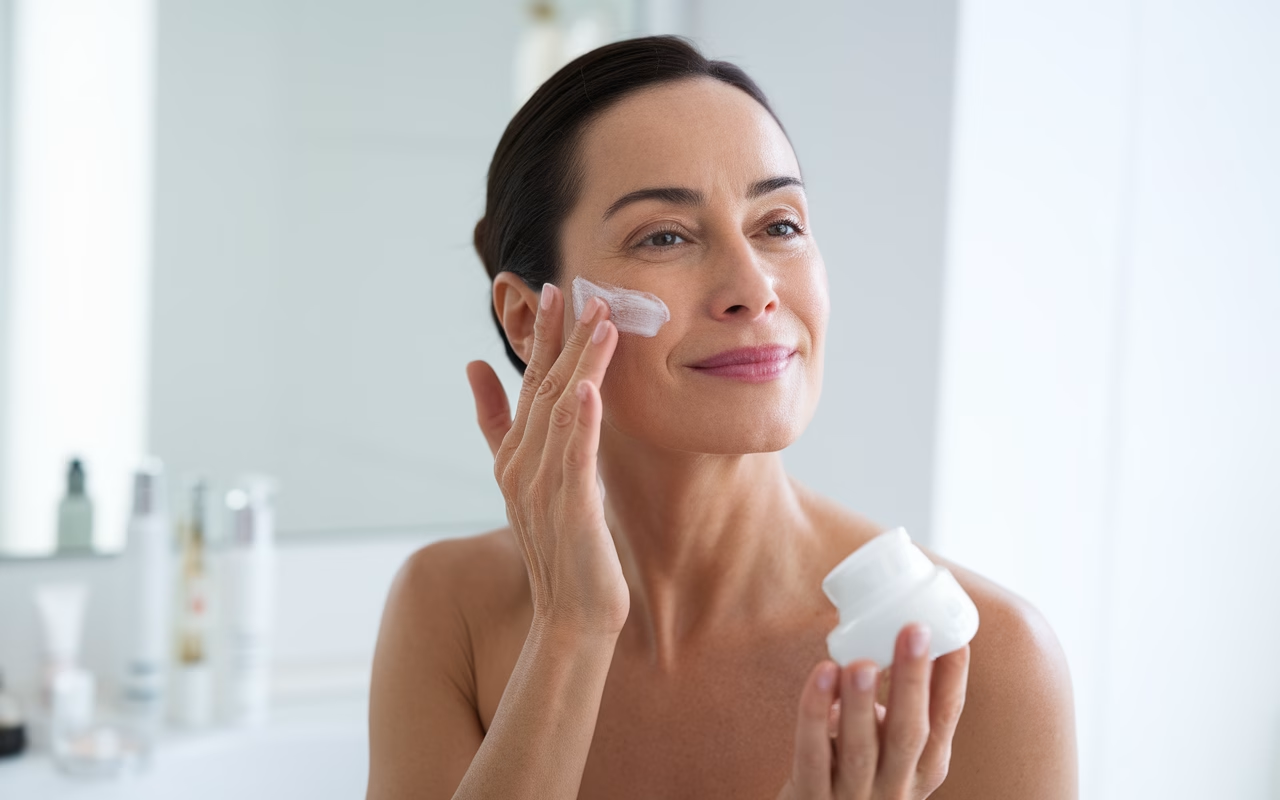
TLDR: Essential Insights, Final Thoughts, and Your FAQs
TLDR
- Understanding and choosing the right anti-aging ingredients is crucial for maintaining vibrant skin health.
- For sensitive skin, prioritize gentle yet effective formulations that include ceramides, hyaluronic acid, and niacinamide to strengthen the skin barrier and minimize irritation. Starting with best anti-aging ingredients for sensitive skin ensures comfort and results.
- Key scientific principles like stimulating collagen production and accelerating cell turnover are at the heart of effective anti-aging.
- Potent skincare ingredients such as retinoids, Vitamin C, peptides, and AHAs are proven to combat wrinkles, fine lines, and other signs of aging.
- Natural anti-aging remedies for fine lines like bakuchiol and green tea extract can offer supportive benefits, especially when combined with a healthy lifestyle.
- A consistent morning and evening skincare routine, focused on protection and repair, is vital for incorporating these effective ingredients and achieving lasting improvements in overall skin appearance.
- Patience and personalized choices, often guided by a professional, are essential for success on your anti-aging journey.
Final Thoughts
Embarking on an anti-aging journey for your skin is not about stopping time, but about empowering your skin to be its healthiest and most radiant self at every stage. As a dermatologist, my advice is always to approach skincare with both knowledge and patience. The world of anti-aging ingredients is vast and continually evolving, offering many avenues to improve your skins texture, reduce signs of aging, and boost collagen production. Whether you are focusing on the best anti-aging ingredients for sensitive skin or seeking comprehensive solutions for mature skin, remember that consistency is your greatest ally.
Do not be afraid to experiment, but always do so thoughtfully, listening to what your skin tells you. A personalized approach, perhaps guided by a professional consultation, will yield the best results for your unique skin health needs. Your skin is a remarkable organ, and with the right care and the power of well-chosen skincare ingredients, you can nurture its vitality and enjoy a glowing, more youthful complexion for years to come.
Frequently Asked Questions
What are the most effective anti-aging ingredients?
The most effective anti-aging ingredients include retinoids (like retinol), Vitamin C, peptides, hyaluronic acid, and alpha hydroxy acids (AHAs). These ingredients work in various ways to boost collagen production, protect against damage, and improve skin texture and tone.
How long does it take to see results from anti-aging skincare?
Seeing visible results from anti-aging skincare typically takes time and consistent use. Generally, you can expect to see initial improvements in skin texture and hydration within 4-6 weeks, while more significant changes in wrinkles and hyperpigmentation may take 3-6 months or even longer.
Can natural remedies truly reverse signs of aging?
Natural remedies can certainly support skin health and help diminish the appearance of fine lines by providing antioxidant protection and hydration. However, they may not offer the same powerful, transformative effects on severe signs of aging as scientifically-backed, pharmaceutical-grade anti-aging ingredients. They work best as complementary additions to a comprehensive routine.
At what age should I start using anti-aging ingredients?
While there is no strict age, prevention is key. Many dermatologists suggest starting with basic anti-aging principles like daily sunscreen use in your early 20s. Introducing mild antioxidants and hydrating anti-aging ingredients can begin in your late 20s or early 30s, adapting your routine as your skin needs evolve.
Are there anti-aging ingredients to avoid for sensitive skin?
For sensitive skin, it is wise to be cautious with high concentrations of retinoids, strong AHAs (like high-percentage glycolic acid), and certain fragrance compounds. Always patch test new products and introduce active ingredients slowly, opting for encapsulated or gentler formulations designed for sensitivity.
How do anti-aging ingredients like retinoids work?
Retinoids work by binding to receptors in your skin cells, signaling them to increase cell turnover and boost collagen production. This process helps to smooth out fine lines and wrinkles, improve skin elasticity, and reduce hyperpigmentation, leading to a more youthful and even complexion.
Is combining multiple anti-aging ingredients always better?
Combining multiple anti-aging ingredients can be highly effective, but it is not always a case of more is better. Some ingredients work synergistically, while others can cause irritation when combined. It is best to introduce new ingredients one at a time and consult with a dermatologist to create a balanced routine tailored to your skin type and concerns.