How Can I Prevent Eyeshadow Fallout During and After Application?
Preventing eyeshadow fallout begins with understanding why it happens in the first place. From product formulas to eyeshadow fallout prevention techniques, minor tweaks in your routine can make a major difference in minimizing under-eye mess. The good news? With the right steps, you can completely transform your eye makeup game and we’re here to walk you through every one of them.
- Prep Matters: Eyeshadow primers create a tacky base that helps pigment grip better and stay put.
- Formula First: Creams and tightly packed shimmers tend to drop less than dry, loose powders.
- Blending Techniques: Patting instead of sweeping prevents particles from scattering.
- Tools Count: Use dense brushes for application and fluffy ones for transition blending.
- Trouble Zones: Hooded eyes, oily skin, and mature lids require tailored approaches for best results.
Understanding Eyeshadow Fallout
Reasons Behind Eyeshadow Fallout

Eyeshadow fallout happens when pigments, especially from powder formulas, drop off your eyelid and land where you don’t want them usually on your cheeks. Understanding how to stop eyeshadow fallout starts with knowing why it occurs:
- Product Texture: Loose or chalky formulas naturally release more particles.
- No Base: Without a sticky canvas like primer, powder shadows have nothing to adhere to.
- Incorrect Brush Use: Flimsy or overly fluffy brushes scatter more pigment.
- Overloading the Brush: Applying too much shadow at once overloads your skin and gravity takes its toll.
Impact of Different Eye Shapes
Ever noticed your eye shape plays a major role in eyeshadow fallout prevention? It’s true and hooded eyes are particularly vulnerable to fallout. As the upper lid folds over the mobile lid, it can redirect eyeshadow particles straight downward. In contrast, deep-set eyes often create a natural shadow drop zone, while protruding lids might allow dust to fall off the edges easily.
The Best Solutions for Eyeshadow Fallout
Using Eyeshadow Primer Correctly
This step is not optional it’s essential for eyeshadow fallout prevention. A good eyeshadow primer creates a grippy surface for powders and shimmers to latch onto. Here’s how to make it work best:
- Apply a dot-sized amount across each eyelid after skincare and before eyeshadow.
- Let it set for 30 to 60 seconds before layering shadow.
- Optional: Set with a skin-toned powder to ensure smooth blending later.
Primers also help control oil, which prevents the kind of smudging that mimics fallout later in the day.
Blending Techniques to Prevent Fallout
Packing pigment onto the brush and merely dusting it on won’t cut it anymore. Instead, master these eyeshadow fallout prevention techniques:
- Use tapping motions to press color onto the lid.
- Gently blend with a clean brush after laying down the product.
- Tilt your head slightly backward to avoid pigment falling directly onto your cheek.
Setting Spray and Fixing Mist
Ever wonder if setting spray really does anything for eyeshadow fallout prevention? When used wisely, it helps lock makeup in place especially metallics and pigments prone to crumbling. You can even spritz your brush before dipping into shimmers to bind the particles together for minimal fallout and next-level payoff.
Daily Makeup Tips to Avoid Fallout
Choosing the Right Eyeshadow Formula
When it comes to eyeshadow fallout prevention, not all eyeshadows are created equal. Consider these:
| Type | Fallout Potential | Best Use |
|---|---|---|
| Loose Pigments | High | Packed onto primed lids only |
| Pressed Powders | Moderate | Everyday, beginners and pros alike |
| Cream Shadows | Low | Durable, ideal for oily lids |
Fixing Fallout On-the-Go
Sometimes, even with the best eyeshadow fallout prevention methods, a few stray particles sneak through. Keep these quick fixes in your kit:
- Fan Brush: Gently sweep fallout away without disrupting foundation.
- Micellar Cotton Bud: Dab onto pigment traces especially shimmer without leaving residue.
- Concealer Touch-Up: A dab under the eye area refines and refreshes the look.
Preventing Creasing and Smudging
Creasing mimics fallout pigment collects in your eyelid folds and travels where it shouldn’t. To prevent this part of eyeshadow fallout prevention:
- Use primers specifically designed for oily eyelids.
- Set cream shadows with a translucent powder or skin-toned matte shadow.
- Avoid oil-based makeup removers before applying eye makeup.
Expert Advice for Specific Eye Concerns
Solutions for Hooded Eyes
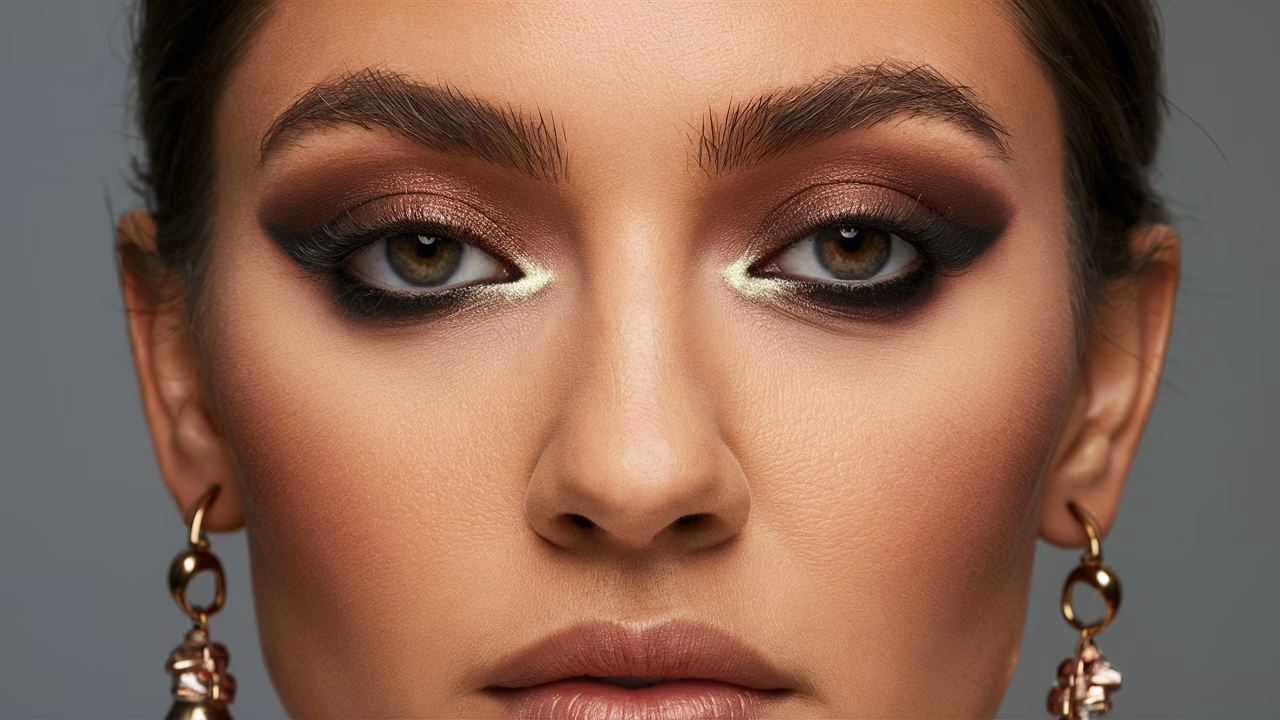
Hooded eyes need extra strategy when it comes to how to stop eyeshadow fallout. Try these tailored tricks:
- Create a faux crease slightly above your natural one to prevent smudging.
- Stick to matte finishes in the crease and shimmer just on the mobile lid.
- Use dried-down formulas that won’t transfer onto the fold.
Tips for Oily Skin
Oily eyelids demand longer-lasting, oil-resistant products for effective eyeshadow fallout prevention. Use mattifying primers, cream-to-powder shadows, and always blot lids before application. Throughout the day, absorb midday shine with blotting sheets on your lids before reapplying.
Tricks for Eyeshadow on Mature Skin
Fine lines can catch pigment, leading to uneven application and more fallout. The fix for eyeshadow fallout prevention on mature skin? Go for creamy, smooth formulas and a well-hydrated base. Pat the eyeshadow in gently and avoid tugging or over-blending.
Top Product Recommendations for Fallout Prevention
Eyeshadow Primers for Every Budget
| Price Range | Benefits |
|---|---|
| Low-End | Basic grip, decent oil control |
| Mid-Range | Blendable base, extended wear |
| High-End | Color-correcting, anti-creasing, long hold |
Setting Sprays for All-Day Wear
Find one aimed at mattifying or locking in pigment for better eyeshadow fallout prevention. Use before and after your full eye makeup to keep things in place. For shimmer shadows, also spritz your brush to bind loose pigments before application.
Must-Have Tools for Flawless Eye Makeup
- Dense flat brush for pigment application
- Fan brush for cleanup
- Fluffy dome brush for crease blending
- Sponge tip applicators for metallics
Final Thoughts: The Long Game in Eyeshadow Fallout Prevention
A flawless eye look takes more than just skill it’s a blend of preparation, product knowledge, and smart eyeshadow fallout prevention techniques. The key takeaway? If you take the time to prep, choose the right formulas, and apply with intention, fallout won’t stand a chance. Whether you’re a beginner or seasoned enthusiast, mastering these methods for how to stop eyeshadow fallout can keep your looks clean, vibrant, and long-lasting.
Frequently Asked Questions
How to prevent eyeshadow fallout when applying?
Start with an eyeshadow primer, use high-quality brushes, avoid overloading pigment, and apply using dabbing motions rather than sweeping.
What kind of eyeshadow causes the most fallout?
Loose and glitter-based pigments are typically the messiest. Cream eyeshadows and compact powders cause less fallout if applied properly.
Is setting spray effective for reducing fallout?
Yes. It helps lock in powder pigments and can also be used on brushes before application to prevent wandering particles.
Can fallout be cleaned up without ruining foundation?
Absolutely. Use a clean fan brush or a cotton swab dipped in micellar water to gently lift debris without disturbing your base.
Should I do eye makeup before or after foundation?
Do eye makeup first if you’re dealing with shadows prone to fallout. This allows cleanup before applying foundation.
How do I fix fallout when I’m out and about?
Keep blotting sheets, a travel-sized concealer, and a fan brush in your kit for quick touch-ups on the go.
What’s the best primer type for oily eyelids?
Silicone-based mattifying primers help control oil while gripping shadow firmly. Look for crease-proof or oil-control formulas.