How do you apply blush correctly for your face shape?
To apply blush correctly for your face shape, place it strategically based on your facial structure. For example, if you have a round face, apply blush slightly higher and angled toward the temples to elongate your look. For a square shape, soften with a curved sweep. Proper blush application enhances bone structure, adds warmth, and brings balance to your overall makeup.
- Primary keyword focus: blush application
- TL;DR Summary:
- Blush isn’t one-size-fits-all: Whether your face is round, oval, square, or heart-shaped, strategic placement is key to a flattering finish.
- Choose the right color: The best blush colors complement both your skin tone and your face shape’s natural angles.
- Prepping is everything: Smooth, moisturized skin and a quality brush set the tone for seamless blush application.
- Blending makes or breaks it: Mastering blending techniques is vital for a soft, natural look with lasting power.
- Fixing mistakes is part of the process: A good makeup routine includes knowing how to correct overapplication or harsh lines.
1. Introduction to Blush Application
Blush application is often underestimated in the beauty world, but when used correctly, it can absolutely transform your face. It’s not just about adding color to your cheeks—blush sculpts, lifts, and brings your skin to life.
Ever wondered why some blush makes you look radiant, and others just don’t? It all comes down to technique and personalization. One of the most crucial factors many forget: your face shape. Applying the same blush application technique on every face is like wearing one shoe size for everyone—it just doesn’t fit.
1.1 Understanding the 2 Finger Rule
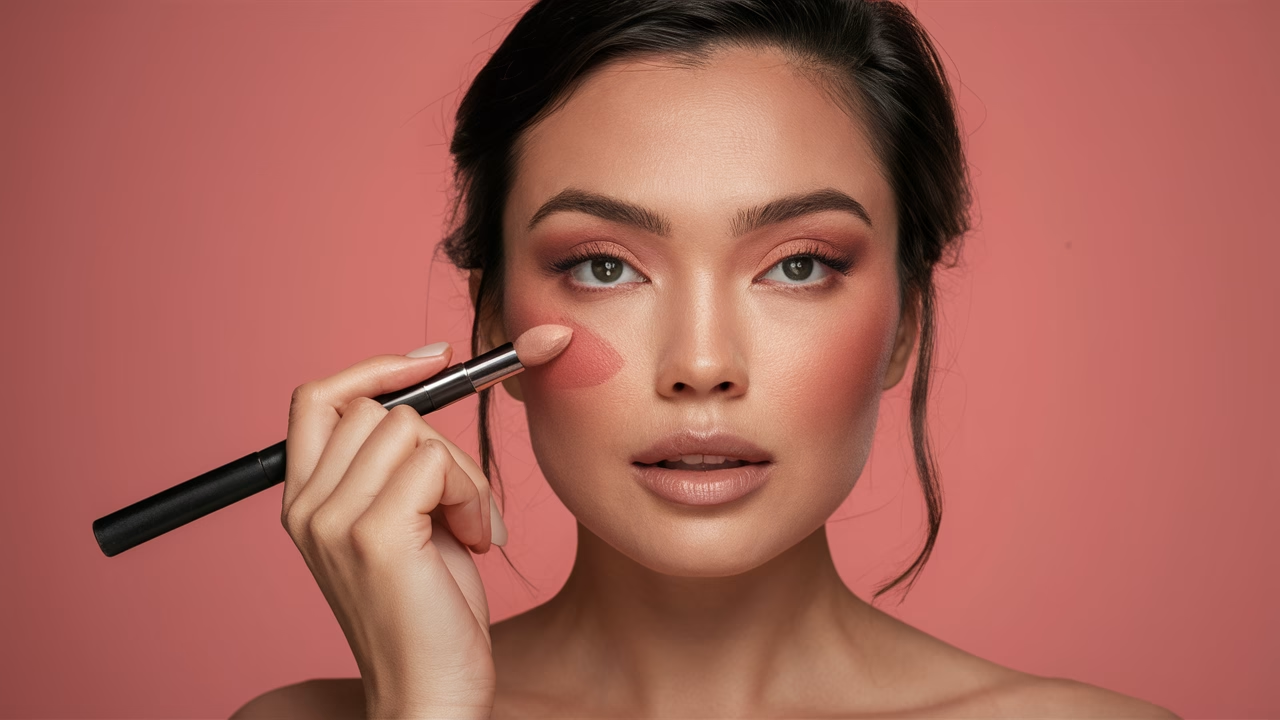
The two-finger rule is a quick-reference technique to guide your flawless blush application. Here’s how it works: place two fingers next to your nose; this space indicates where your blush should begin. It prevents starting too close to the center of the face, which can drag your features inward. It’s a simple but powerful way to maintain balance, especially for round or heart-shaped faces.
2. Best Blush Colors for Different Face Shapes
Color isn’t just about shade—it’s about harmony. Blush should enhance your natural tones and also work with your facial contours to create balance and dimension.
2.1 Round Face
Round faces benefit from vertical optical illusions. Apply blush slightly above the apples of your cheeks and sweep it diagonally toward your temples. The goal is to lift and elongate. Choose rose, soft berry, or muted coral tones. Stay away from overly shimmery blushes—they can widen the face.
2.2 Oval Face
Lucky you—oval faces can wear almost any blush placement. Swipe it gently across the center of the cheeks and blend outward. Your face is already balanced, so focus on color: peach tones and dusty pinks are universally flattering. This face shape is your blush application playground.
2.3 Square Face
Square faces typically have more pronounced angles. The trick? Use curved motion when applying blush to soften the look. Begin slightly under the cheekbone and swirl upward. Warm neutrals, apricot, or caramel-pinks complement angular faces best.
2.4 Heart-Shaped Face
With a broader forehead and pointed chin, the heart-shaped face benefits from blush application that enhances lower-face fullness. Apply to the apples of your cheeks and blend toward the ears in a soft, horizontal motion. Try warm peach, soft terracotta, or light mauves to balance the top heaviness.
3. Step-by-Step Blush Application Guide
3.1 Prepping Your Skin
Ever notice your blush looks patchy by lunchtime? Skin prep might be the culprit. Here’s what works for perfect blush application:
- Start with clean, moisturized skin—hydration is key to even color payoff.
- Apply a light layer of primer or base to lock in products.
- Use translucent powder only where needed; too much powder can prevent blush from adhering.
3.2 Choosing the Right Brush
Brushes matter just as much as the product itself for flawless blush application. A good blush brush should be fluffy but compact, offering precise control without harsh edges.
| Brush Type | Best For |
|---|---|
| Angled Brush | Chiseled, sharp application for sculpting |
| Stippling Brush | Light, buildable color (ideal for cream blush) |
| Dome-Shaped Brush | Even, circular blending—great for beginners |
3.3 Applying Blush Correctly
This is where art meets practice. Here’s a foolproof layer-by-layer technique for perfect blush application:
- Smile lightly to find the apples of your cheeks—not forcefully, just enough to locate placement.
- Tap (don’t drag) your brush into the product. Shake excess.
- Apply blush in short strokes outward and slightly upward.
- Use a clean brush to blend until seamless. If you’ve overdone it, gently tap foundation over the excess to soften.
Still unsure? Picture your blush forming a soft triangle aligned with your ear and nostril—never a circle.
4. Pro Tips for Flawless Blush Application
Great blush isn’t noticeable. It should whisper radiance, not shout color.
4.1 Blending Techniques
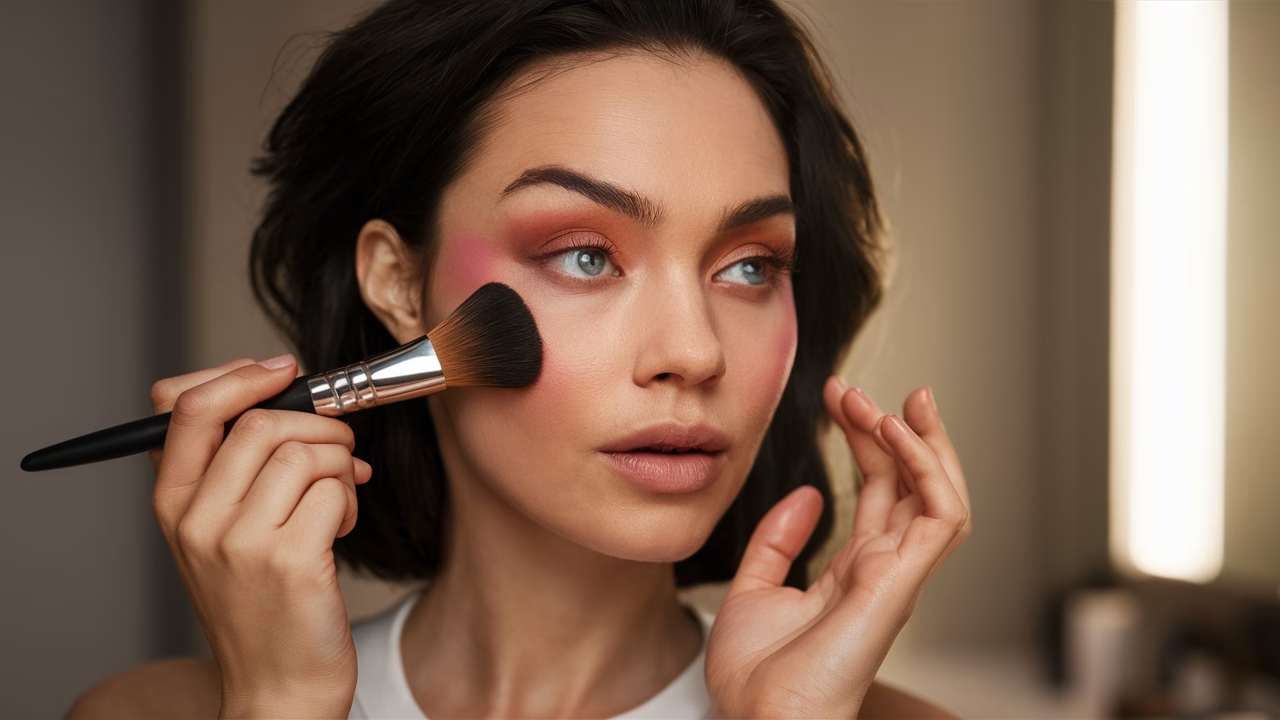
Blending techniques are where most of the magic happens. Here’s how to get that barely-there flush that makes people say, “Wow, your skin looks amazing.”
- Always blend upward, not downward. This lifts the face visually.
- Use a buffer brush with no product on it to diffuse edges.
- Mixing cream and powder? Apply cream first, set with a kiss of powder blush for all-day performance.
4.2 Fixing Common Mistakes
What if you went a little heavy-handed with your blush application? No worries:
- Use a damp beauty sponge to soften excess pigment.
- Dab translucent powder over intense areas.
- Layer with foundation or concealer (lightly!) to mute the color.
Cost Guide: Investing in the Right Blush Tools
Category Price Range Budget Brush Set $8 – $15 Mid-Range Single Brush $16 – $30 Professional-Grade Tools $35 – $70+ Remember—high price doesn’t always equal high quality. Look for densely packed bristles that feel soft, not scratchy.
5. Final Thoughts and Recommendations
Blush application is one of those understated power players. It can create structure, warmth, and liveliness with just a few expert strokes. What we’ve covered gives you the blueprint for flawless blush application—but great technique comes from trying, tweaking, and refining what works best for your face.
Keep in mind, what flatters one face shape might not flatter another. Trust your mirror, not just the makeup trends. Start with the step-by-step blush guide techniques, but let experience fine-tune your style with time.
Frequently Asked Questions
- What is the 2 finger rule for blush?
It’s a placement technique: hold two fingers along the side of your nose—the space guides where your blush should NOT enter. This keeps the center of your face clean and structured. - What type of blush is best for beginners?
Powder formulas are easiest to control and blend. Start with neutral tones for more room to correct. - Can I wear blush without foundation?
Absolutely. If your skin is prepped and moisturized, blush can still pop beautifully—especially creams or stains. - Which blush placement suits mature skin?
Higher, softer placement lifted toward the temples perks up sagging areas and avoids emphasizing fine lines. - How do I make blush last longer?
Layer cream and powder blush, set with translucent powder, and avoid over-powdering before blush so it can grip to skin. - What’s the biggest mistake people make with blush?
Applying too close to the nose or using the wrong undertone for their skin. Both can make the face look off-balance.
- What is the 2 finger rule for blush?